
—————
Information and Pictures on Gonorrhea, one of the most common sexually transmitted diseases. Information including symptoms, diagnosis, treatment, transmission, prevention and other general information.
————
Gonorrhea / Gonococcal Infection (clap, drip)
Gonorrhea is:
- an infection that is spread through sexual contact with another person
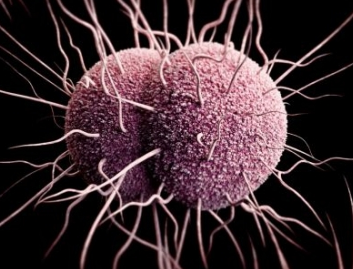
- caused by a bacterium, Neisseria gonorrhoeae
- second only to Chlamydia infections in the number of reported cases.
The Gonorrhea germs are found in the mucous areas of the body:
- genital tract
- penis
- rectum
- throat
- vagina
In women:
- The opening (cervix) to the womb (uterus) from the birth canal is the first place of infection.
- The disease can spread into the womb and fallopian tubes and cause Pelvic Inflammatory Disease (PID). This can cause infertility in up to 10% of infected women and can also cause tubal (ectopic) pregnancies..
Risk Groups:
- Any person who is sexually active can be infected.
- It is common in people between the ages of 15-30, who have multiple sex partners.
- Increased rates of Gonorrhea occur in homosexual men.
- It occurs more frequently in urban areas than in rural areas.
Gonorrhea is the most common reportable sexually transmitted infection (STI) in the United States. An estimated 800,000 cases are reported annually.
Transmission of Gonorrhea
Gonorrhea is spread through sexual contact including:
- penis to vagina (infection rate for males 30-50%, females 60-90%)
- penis to mouth
- penis to rectum
- mouth to vagina.
Gonorrhea is spread from mother to child as the child passes through the birth canal during delivery causing eye infections un the baby.
In children, Gonorrhea infection is usually due to sexual abuse. It is found in the:
- genital tract
- mouth
- rectum
Other Risk Factors:
- An infected person can spread the infection to another area of their body by touching the infected area and transferring the excretions.
- Clothing or wash cloths of infected people can spread the infection.
Gonorrhea Symptoms
In Men:
- creamy or green, pus-like discharge from the penis
- painful urination (burning sensation)
- testicular pain
In Women:
- bleeding between periods
- creamy or green, pus-like or bloody vaginal discharge
- excessive bleeding during menstrual period
- irritation of the vulva
- lower abdominal pain
- painful intercourse
- painful urination (burning sensation)
- rectal infection
- throat infection
Rectal infection in men and women can cause:
- constipation
- creamy, pus-like discharge
- itching
- painful bowel movement with blood in feces
- rectal bleeding
Symptoms usually appear 2-7 days after infection in males. However it can sometimes take up to 30 days for symptoms to appear. There are no symptoms at all in 10-15 % of infected men and 80% of infected women.
People with no symptoms are at risk of developing complications from Gonorrhea. They can also unknowingly spread the infection to other contacts. Gonorrhea can be spread from the time of infection until properly treated. Past infection does not make a person immune to gonorrhea. Previous infections may allow complications to occur more rapidly and increase the risk of getting HIV / AIDS.
Long term complications
In Men:
- Epididymitis – an inflammation of the testicles that can cause sterility.
In Women:
- abscesses
- ectopic pregnancy – a pregnancy outside of the uterus
- infection of the amniotic fluid and sac
- preterm rupture of membranes during pregnancy
- high risk of miscarriage
- Pelvic Inflammatory Disease (PID) – an infection that spreads from the vagina and cervix to the uterus and fallopian tubes.
- peri-hepatitis – an infection around the liver
- sterility
In newborns:
- eye infections that if untreated can lead to blindness
- blood or joint infections
- meningitis
Diagnosis of Gonorrhea
Many doctors prefer to use more than one test to increase the accuracy of the diagnosis. There are three laboratory techniques usually used to diagnose Gonorrhea:
Staining Biological Samples
This is carried out by placing a sample of the discharge from the penis or cervix on a slide and staining it with a dye . The sample is then examined for the presence of the bacteria.
- The advantage of this method is that the doctor can usually provide the test results during the consultation.
- This test is more accurate for men than women. Only 1 in 2 women with the infection show. a positive stain.
Detection of Bacterial Genes or Nucleic Acid (DNA) Test
This test is carried out using urine or cervical swabs to detect the genes of the bacteria.
- This test is often more accurate than culturing the bacteria.
Cultures Growing the bacteria in laboratory cultures.
This method involves placing a sample of the discharge onto a culture plate and incubating it for up to 2 days to allow the bacteria to multiply.
- Cultures of cervical samples detect infection approximately 90% of the time.
- A culture can also be taken to detect Gonorrhea in the throat.
Gonorrhea Treatment
Gonorrhea is treated with penicillin or other antibiotics in pill form or by injection. However, the disease is becoming more and more resistant to many standard medications. Antibiotics that are currently used are:
- Cefixime
- Ceftriaxone
- Ciprofloxacin*
- Ofloxacin*
- Tetracycline
* The antibiotics Ciprofloxacin and Ofloxacin should not be taken if you are:
- pregnant
- younger than 18 years old.
Gonorrhea and Chlamydia infection, another common STD, often infect people at the same time. A combination of antibiotics is taken which will treat both diseases, such as:
- Azithromycin
- Ceftriaxone
- Doxycycline
All sexual partners should be tested and treated if infected, whether or not they have symptoms of the infection. If untreated the Gonorrhea infection can spread:
- into the reproductive tract
and through the bloodstream infecting:
- brain (rarely)
- heart valves
- joints
The most common result of untreated Gonorrhea in women is Pelvic Inflammatory Disease (PID), a serious infection of the female reproductive organs. Gonococcal PID often appears immediately after menstruation and causes:
- abscesses
- peri-hepatitis, an infection around the liver
- scar tissue formation in the fallopian tubes
- sterility
- the embryo may implant in the tube causing a tubal (ectopic) pregnancy. This can result in miscarriage and sometimes death of the mother.
- the fertilized egg cannot pass into the uterus if the tubes are scarred
In Men:
- arthritis
- epididymitis, an inflammation of the testicles that can cause sterility
- other organ infections
- skin problems
- swelling of the testicles and penis
Approximately 2% of persons with untreated gonorrhea may develop Disseminated Gonococcal Infection (DGI).
Symptoms include:
- arthritis-type pain
- fever
- skin lesions
Prevention of Gonorrhea
Help Factors
- avoid any sexual contact
- do not wait for symptoms to appear, particularly if you or your partner have other sexual contacts
- proper hand washing is essential as the bacteria can be transferred to the eyes
- regular check-ups for STD’s should be part of your regular medical examination
- sexual relations should be handled responsibly by limiting the number of sexual partners and by using condoms
- visit a local sexually transmitted disease (STD) clinic, hospital, doctor or health practitioner
For more information, watch this video:
